
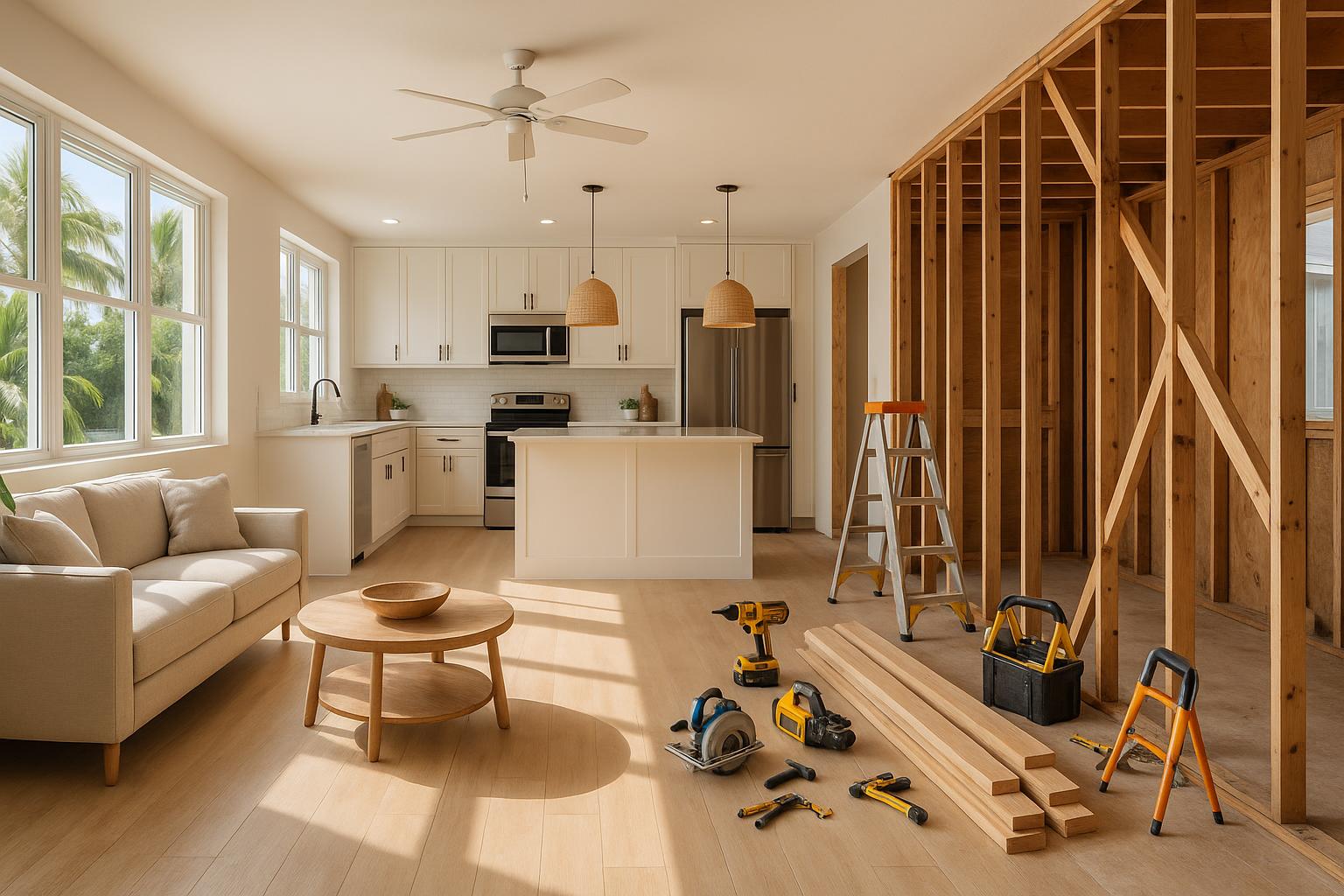
Why Whole-Home Remodeling Feels So Overwhelming
You've been dreaming about it for years — opening up that cramped kitchen, finally updating those bathrooms, replacing the worn-out flooring throughout the house. But the moment you start thinking about doing it all at once, the excitement can quickly turn into anxiety. Where do you even begin?
Whole-home remodeling is one of the biggest investments a homeowner can make, and in a community like Hallandale Beach where property values continue to climb, it's also one of the smartest. But without a clear plan, even the most promising renovation can spiral into delays, budget overruns, and sleepless nights.
The good news? It doesn't have to be that way. With the right approach and the right team, a full-home renovation can actually be an enjoyable experience. Here's how to plan yours from start to finish.
Step 1: Define Your Goals Before You Pick Up a Hammer
Before you start browsing tile samples or tearing out cabinets, sit down and answer some fundamental questions:
- Why are you remodeling? Are you preparing to sell, accommodating a growing family, or simply upgrading an outdated home?
- What are your must-haves vs. nice-to-haves? Knowing the difference will save you thousands when tough budget decisions arise.
- How long do you plan to stay in this home? This affects whether you invest in luxury finishes or focus on practical improvements with broad appeal.
Writing down your priorities gives you a roadmap to reference whenever decisions get complicated — and in a whole-home remodel, they will.
Step 2: Set a Realistic Budget (and Build in a Buffer)
One of the most common mistakes homeowners make is underestimating costs. A whole-home remodel in South Florida can range widely depending on the scope, materials, and condition of the existing structure. Here are some budgeting tips that actually work:
- Get multiple estimates. Talk to at least two or three contractors to understand the realistic cost range for your project.
- Allocate 10-20% for unexpected expenses. Older homes in Hallandale Beach, especially those built in the 1960s through 1980s, often reveal surprises behind walls — outdated wiring, plumbing issues, or water damage that needs to be addressed before new finishes go in.
- Prioritize structural and functional upgrades first. It's tempting to spend big on aesthetics, but things like electrical panel upgrades, plumbing repairs, and hurricane-impact windows should come before decorative touches.
A transparent contractor will walk you through costs line by line so there are no surprises. If a quote feels vague or too good to be true, it probably is.
Step 3: Choose the Right Contractor — Not Just the Cheapest One
Your contractor is the single most important decision you'll make. A great contractor keeps your project on track, communicates proactively, and delivers quality work. A bad one can turn your dream renovation into a nightmare.
Here's what to look for:
- Proper licensing and insurance. In Florida, general contractors must hold a state-certified or state-registered license. Always verify.
- Local experience. A contractor who works regularly in Hallandale Beach and surrounding areas like Hollywood, Aventura, and Fort Lauderdale will understand local building codes, permitting requirements, and the unique challenges of South Florida construction.
- A clear communication style. During your initial consultation, pay attention to how well they listen, how thoroughly they answer questions, and whether they pressure you or educate you.
- References and a portfolio. Ask to see completed projects similar in scope to yours. Talk to past clients if possible.
At Shield Foundation Contractors, we believe that honest pricing and clear communication are just as important as craftsmanship. Homeowners shouldn't have to wonder what's happening with their own renovation.
Step 4: Understand the Permitting Process
Many homeowners don't realize that a whole-home remodel almost always requires permits — especially when you're making structural changes, updating electrical or plumbing systems, or modifying the footprint of the home. In Hallandale Beach, permits are handled through the city's Building Department, and the process can take anywhere from a few days to several weeks depending on the complexity of the project.
Skipping permits might seem like a way to save time and money, but it can lead to serious consequences:
- Fines from the city
- Being forced to undo completed work
- Problems when you try to sell the home
- Insurance claims being denied
A reputable contractor will handle the permitting process for you and ensure that all work is inspected and up to code.
Step 5: Plan for Where You'll Live During Construction
This is the part nobody wants to think about, but it matters. A whole-home remodel can take anywhere from two to six months depending on the scope. During that time, parts of your home — or all of it — may be uninhabitable.
Some homeowners choose to stay in the home and have the work done in phases, room by room. Others move in with family, rent a short-term apartment, or stay in a nearby hotel. Each approach has trade-offs:
- Staying in the home saves money but means living with noise, dust, and limited access to kitchens and bathrooms.
- Moving out temporarily adds cost but allows the contractor to work more efficiently, which can actually shorten the overall timeline.
Discuss this with your contractor early so you can plan accordingly and set realistic expectations for the project schedule.
Step 6: Make Material Selections Early
One of the biggest causes of remodeling delays is waiting on materials. Supply chain issues, backordered tiles, custom cabinetry lead times — these things can add weeks or even months to your project if you're not proactive.
As soon as your project scope is defined, start making selections for:
- Flooring (tile, luxury vinyl plank, hardwood)
- Cabinetry and countertops
- Fixtures and hardware
- Paint colors
- Lighting
Your contractor or a design consultant can help you coordinate selections so everything works together cohesively. This is especially important in a whole-home remodel where consistency between rooms creates a polished, unified look.
Step 7: Stay Involved but Trust the Process
Once construction begins, it's natural to want to check in constantly. And you should stay engaged — attending weekly walkthroughs, asking questions, and reviewing progress. But it's equally important to trust the team you've hired.
Micromanaging every nail and paint stroke creates friction and slows things down. If you've done your homework in choosing a contractor, let them do what they do best. A good contractor will keep you informed with regular updates and flag any issues before they become problems.
Your Home Deserves a Thoughtful Renovation
A whole-home remodel is more than a construction project — it's a chance to reimagine how you live. Whether you're updating a mid-century ranch in Hallandale Beach or modernizing a waterfront property, the key to a successful renovation is planning, communication, and partnering with a team that genuinely cares about the outcome.
At Shield Foundation Contractors, we specialize in guiding homeowners through every phase of the remodeling process — from initial design conversations to the final walkthrough. If you're considering a whole-home renovation and want to talk through your options, we'd love to hear from you.